
Overview
Karen Gano, the principal of Gano Nonprofit Services, LLC, was assistant attorney general in the Charities Unit of the Connecticut Office of the Attorney General for nearly eighteen years, focusing exclusively on protection of charitable assets and the nonprofit organizations that hold and manage those assets. While bringing enforcement actions to stop illegal conduct and breach of fiduciary duties was a necessary part of the work of the attorney general, the primary focus, whenever possible, was always on working cooperatively with nonprofit board members and donors to correct problems that had harmed or potentially threatened charitable assets. To that end and drawing on her extensive experience prior to becoming assistant attorney general, in managing small nonprofits, as a contractor to larger nonprofits, as a nonprofit board member, and as legal advisor to donors and nonprofits, Gano’s work has always focused on implementation of practices and policies that ensure management of charitable assets and charitable programs in compliance with state and federal law. That same focus on client representation that enables nonprofits and donors to rely on the integrity of the benefit intended is fundamental to all services provided by Gano Nonprofit Services LLC. Responsible and legally compliant management of charitable assets and program inspires confidence and generosity in donors.Gano Nonprofit Services LLC can provide a broad range of services that ensure operations in compliance with fiduciary responsibilities and applicable law, and provide donors and grantors with assurance that the social and charitable purposes they intend to support are protected by the terms of gift agreements and other gift instruments. Services include:
- Organizational assessment and strategic or succession planning
- Formation of a new nonprofit and application for tax exempt status
- Board governance and reorganization; revision and updating of bylaws and operating policies
- Board Training
- Compliance with federal, state, and local regulatory requirements
- Endowment and investment management; compliance with UPMIFA re prudent management of institutional funds
- Fundraising planning and compliance
- Cryptocurrency solicitations and acceptance of virtual asset gifts by nonprofits
- Disaster response and fundraising, including advance plan development for disaster
- Conflict resolution and mediation
- Advising and representation in response to government inquiries, investigations, or legal actions
- Drafting gift agreements
- Interpretation and modification of gift instruments and trusts
- Representing charitable beneficiaries of bequests in probate settlement of estates or related disputes
- Interpretation of rights and obligations re restrictions on land or other property; representation of specific rights in disputes concerning charitable interests in restricted property
- Cy pres actions
- Unrelated business income tax issues
- Conflict of interest issues and disqualified party transactions
- Grant-making and procedures
The landscape within which nonprofits operate has changed significantly in the twenty-first century and especially over the last decade. The way charitable purposes and nonprofits are funded has been affected by the explosion of giving to donor-advised funds and the increase in pursuit of charitable and societal benefit through LLCs and other entities that are not tax-exempt (i.e. the Chan Zuckerberg Initiative). Tragically, weather disasters, domestic and global violence, environmental change, war and displacement of populations, are constant now and place increasing and competing demands on donors and grantors. Social media, instant messaging and the technological literacy of millennials and Gen Z, and corresponding increase in virtual assets (cryptocurrency), is forcing nonprofits to adapt to a younger giving population that is proving to be generous, but also expects their generosity to be made possible in a technologically savvy context. And now tax-exempt organizations are adapting to operations often significantly altered by global pandemic.
Gano Nonprofit Services LLC can help you negotiate these ongoing changes, while providing guidance in determining requirements under disparate, and often confusing, federal and state regulatory requirements.
About Karen Gano
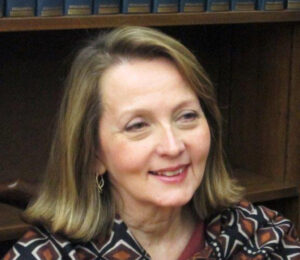
Karen Gano is a former Assistant Attorney General in the Charities Unit of the Office of the Connecticut Attorney General. Gano is also a Lecturer Columbia University’s School of Professional Studies. She teaches Legal Landscape: Law for Nonprofit Managers, and Ethics in the Nonprofit Management Program. Previously, Gano worked in the nonprofit sector, then with the Connecticut law firm Carmody and Torrance LLP, in the Trusts and Estates Division and representing nonprofits. Gano is immediate past president of the National Association of State Charities Officials (NASCO) and was founding president of the Multistate Registration and Filing Project, Inc., a multistate corporation that has attempted to work with all states and the nonprofit sector to develop a multistate, unified electronic charities registration platform. She serves on the Executive Committee for the Estates and Probate Section of the Connecticut Bar Association and was a representative to the Connecticut Probate Rules Committee in the development of the Connecticut Probate Rules. She is a former member of the Board of Advisors for the National Center for Philanthropy and Law. Gano has often been a presenter or training
instructor on many issues related to nonprofits, including crisis management and fundraising, endowment management and UPMIFA, government regulation and compliance, and policy issues affecting nonprofits. Gano is a graduate of Smith College and University of Connecticut School of Law.